
Work is changing. Skills will make the difference
Concerns are often raised in discussions about AI. Many wonder whether technology will replace people’s jobs or what kinds of roles will still be needed in the future. According to Alma Media’s Chief Human Resources Officer, Merja Ristilä, the most important question is not whether jobs will disappear, but how work itself will change.
“Adopting technology is often the easiest part of transformation. The harder challenge is learning new ways of working and embedding them into everyday routines.”
AI is not only changing individual tasks. It is prompting organisations to rethink what people do, where their expertise creates the greatest value, and how work should be organised in the years ahead.
“The first reaction is often to ask which parts of today’s work can be automated. The bigger opportunity emerges when entire workflows are redesigned around the possibilities that AI creates.”
At Alma, AI is increasingly viewed through the lens of work redesign. The objective is not to replace people with technology, but to free up time for activities where human expertise, judgement, creativity and collaboration create the greatest value.
At the same time, the nature of work is evolving. In the future, an increasing number of professionals will not be expected to do everything themselves, but to design, direct and continuously improve work that is assisted, or in some cases partly carried out, by AI. The human role will increasingly focus on analysis, decision-making, problem-solving and leading complex processes.
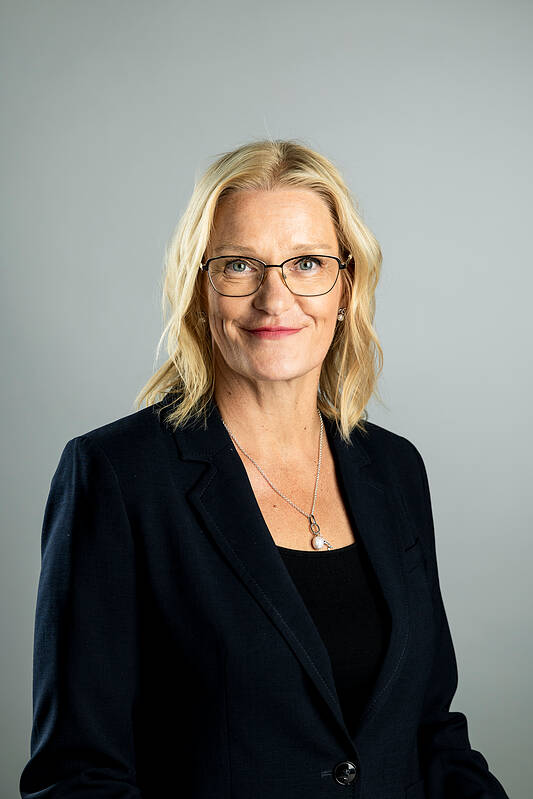
“At its best, AI enables people to focus on more demanding and meaningful work. It will also create entirely new roles and skill requirements that we cannot yet fully anticipate.”
This transformation is already visible across virtually every function at Alma, from software development and sales to marketing, customer service and journalism. Making effective use of AI is not the responsibility of the technology organisation alone. It is a shared learning journey for the entire company.
Alma Media’s most important asset remains its People
According to Ristilä, the defining question in the age of AI is not what technology can do, but how successfully organisations learn to make use of it.
“Competitive advantage does not come from having access to the latest tools. What matters is how quickly people adopt new ways of working and how effectively knowledge and expertise spread throughout the organisation.”
This is why developing skills and capabilities is a central part of Alma Media’s AI transformation. Technology is advancing rapidly, but its real value is realised only when people know how to combine it with their own professional expertise and experience.
“Even in the AI era, a company’s most important asset is its people. At Alma, we want to ensure that every employee has the opportunity to learn, develop in their role and grow into new responsibilities as technology continues to reshape working life.”
Ultimately, the impact of AI will not be determined by how much work can be automated. What matters most is how effectively technology and human expertise complement one another.
“AI creates new possibilities, but people determine how far those possibilities can be taken. That is why investing in people’s skills and development remains just as important in the age of AI.”
- Published: 10.9.2026 13:39
- Category: News
- Theme: Alma Today