When sustainability reporting evolved from good intentions into a business imperative
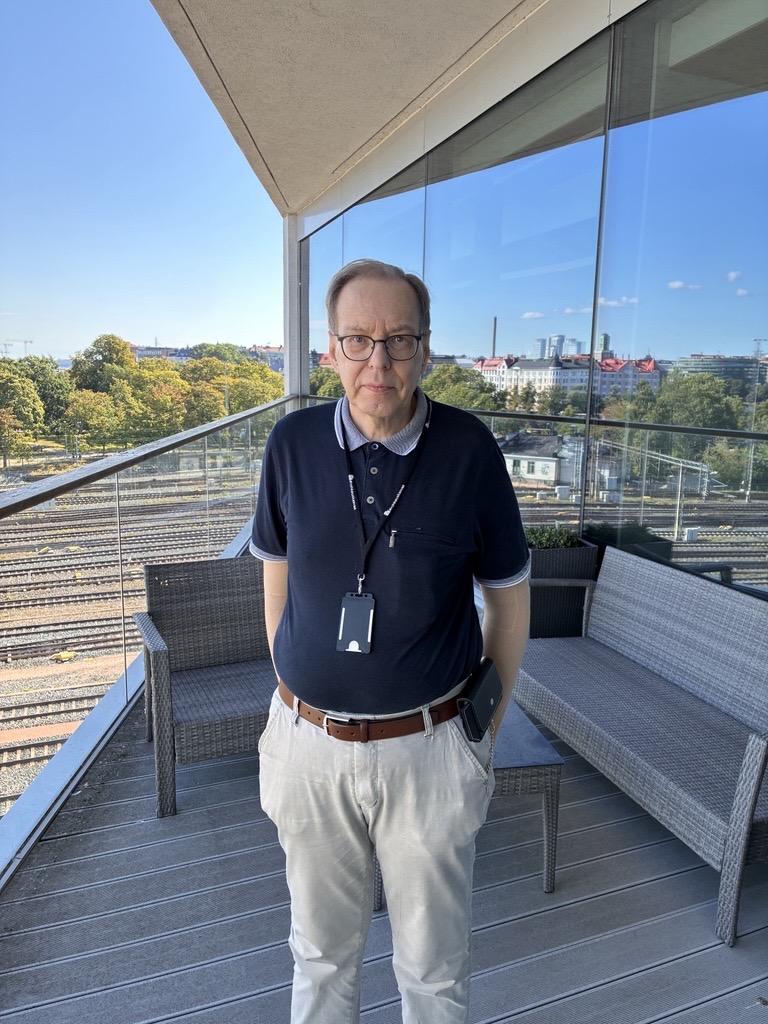
When Risto Jauhiainen, who will retire at the end of August, joined Alma Media’s sustainability reporting efforts a decade ago following the acquisition of Talentum, sustainability reporting was still largely pioneering work. Companies reported on their environmental impacts primarily on a voluntary basis, common standards were only beginning to take shape, and there was no single established way of doing things.
“At the beginning, we were essentially starting from scratch. We collected data, estimated missing figures as accurately as possible and built processes while carrying out the work.”
Over the past ten years, the world of sustainability reporting has undergone a profound transformation. Corporate responsibility reporting has evolved from voluntary communications into highly regulated, assurance-based reporting aimed increasingly at investors. At the same time, expectations have risen continuously.
One of the most visible changes has been in emissions accounting.
“Comparable calculation methodologies have developed enormously. Back in 2016, net-zero emissions were seen as an ambitious aspiration. Today, they are effectively the starting point for many companies.”
Involved in key milestones
Throughout his career at Alma Media, Jauhiainen has contributed to several major milestones in the company’s sustainability work, including the development of emissions accounting, the validation of Science Based Targets and, more recently, preparations for the Corporate Sustainability Reporting Directive (CSRD).
Alma Media was among the first media companies globally to have its climate targets approved by the Science Based Targets initiative. Over the years, however, both the targets and the criteria used to assess them have become significantly more demanding.
“Initially, the focus was on a two-degree pathway. Today, net zero is the expectation. The pace of development has been rapid.”
If asked to identify the single most significant change, Jauhiainen points to the EU’s CSRD regulation, which elevated sustainability reporting to a level comparable with financial reporting.
“CSRD has influenced corporate operations more than any individual sustainability initiative before it. Sustainability reporting has become an integral part of how companies are managed.”
Despite the growing reporting requirements, Jauhiainen emphasises that the purpose extends beyond compliance.
“No single European company can solve global environmental challenges alone. Meaningful impact requires broad international participation. But progress has to start somewhere. Measurement creates visibility, and visibility enables improvement.”
Among the most memorable moments of his sustainability career was the approval of Alma Media’s 1.5-degree climate targets.
“I still remember the Midsummer Eve evening in 2022 when the confirmation arrived from New York. I had been waiting for the decision for a long time. Once the approval came through, I wanted to ensure the information was immediately shared with the Group Executive Team.”
Looking ahead to the next decade, Jauhiainen believes the importance of sustainability will continue to grow, although progress may not always be linear.
“The world is constantly changing, but environmental impacts will ultimately need to be reflected in economic structures in one way or another. In the long run, the key is making sustainable solutions economically competitive as well.”
Taking a value chain perspective
Throughout Jauhiainen’s career, sustainability and procurement have gone hand in hand. In his view, managing companies’ indirect emissions, known as Scope 3 emissions, often begins at the procurement stage.
“When environmental and sustainability considerations are incorporated into procurement decisions, companies also gather much of the information required for sustainability reporting. It is often the most effective way to influence sustainability across the entire supply chain.”
The idea reflects Jauhiainen’s broader professional philosophy. His studies in logistics taught him to view entire value chains, while procurement roles provided an opportunity to influence outcomes from the very beginning of a process. Alongside cost considerations, supply reliability, well-functioning agreements and long-term partnerships have been central elements in building sustainable business operations.
After a long career in procurement and sustainability, Jauhiainen has no intention of slowing down completely. Retirement will include trail running, a hobby that has already accumulated more than 15,000 kilometres, as well as selected expert assignments.
When asked what advice he would give to his younger self, the answer comes without hesitation:
“Go west, young man.”
In many ways, the phrase also captures the development of sustainability reporting itself. A decade ago, few could predict the direction the field would take. Today, the path is considerably clearer, even though the journey is far from over.
- Published: 26.8.2026 08:53
- Category: News
- Theme: Sustainability